

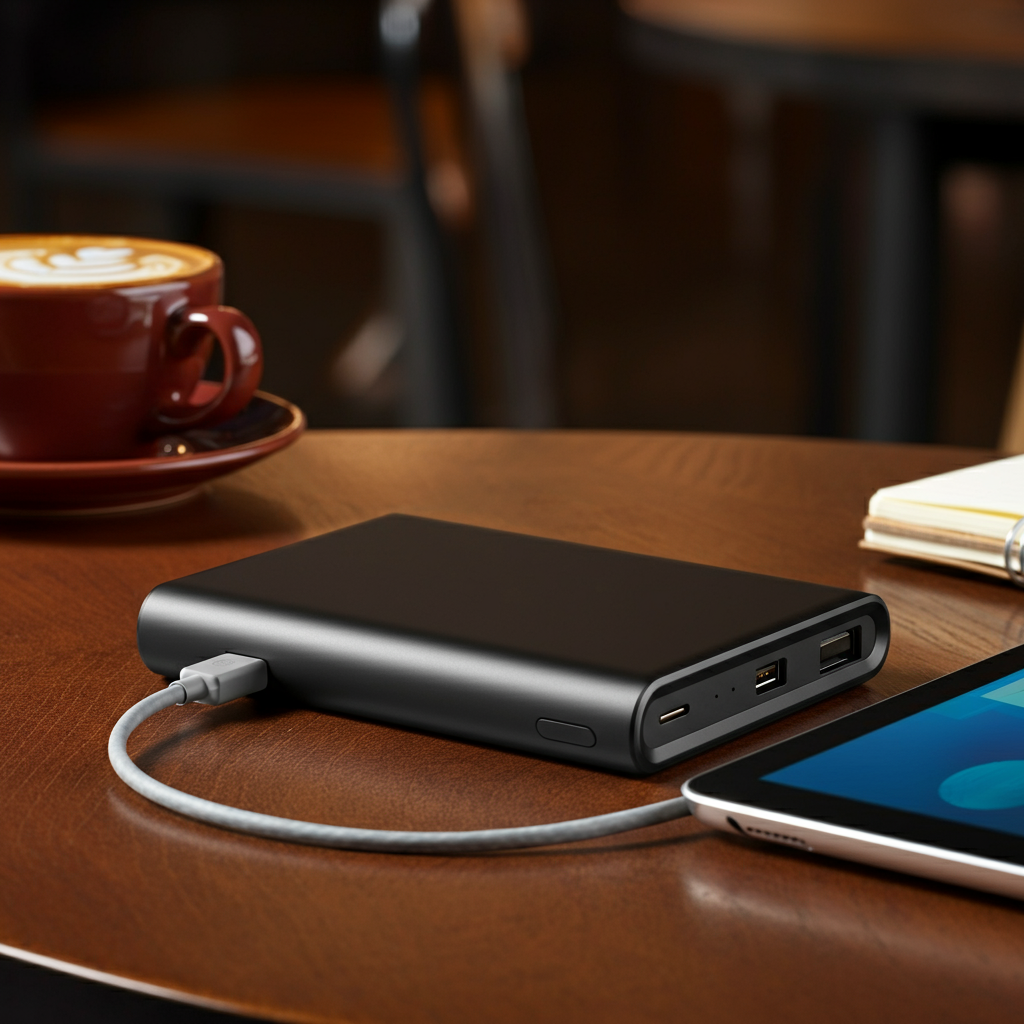
For outdoor adventurers, frequent travelers, and tech enthusiasts, a power bank is nothing short of a lifeline. It keeps your devices charged, your maps accessible, and your adventures uninterrupted. But like any other gadget, your power bank isn’t indestructible—it needs proper care to maintain its effectiveness over the long haul.
Why Proper Power Bank Maintenance Matters
Before jumping into the “how,” it’s essential to grasp the “why.”
- Improves Longevity – Proper usage and care can significantly increase the device’s lifecycle, sparing you the expense of frequent replacements.
- Maintains Efficiency – A poorly kept power bank loses its ability to hold a full charge, meaning you’ll be stuck with diminishing returns.
- Keeps You Connected – Reliable charging keeps your devices powered during emergencies or long journeys.
Now that you know why care matters, here’s how to do it.
1. Avoid Complete Discharges
One of the most common mistakes is letting a power bank discharge entirely before recharging it. Lithium-ion batteries, which are used in most modern power banks, are sensitive to complete drain cycles. Regularly allowing them to run out fully reduces their capacity over time.
Best Practice:
Recharge your power bank when its power level drops to around 20-30%. This keeps the internal battery healthy by minimizing deep discharge cycles.
2. Charge at Optimal Levels
Did you know overcharging your power bank can also damage its internal battery? Many modern power banks come with built-in protection circuits, but it’s still a good habit to unplug the charger once it reaches 100%.
Pro Tip
If your power bank supports a charge indicator, pay attention to it. Avoid leaving it plugged in overnight as this can create heat buildup and stress the battery unnecessarily.
3. Avoid Extreme Temperatures
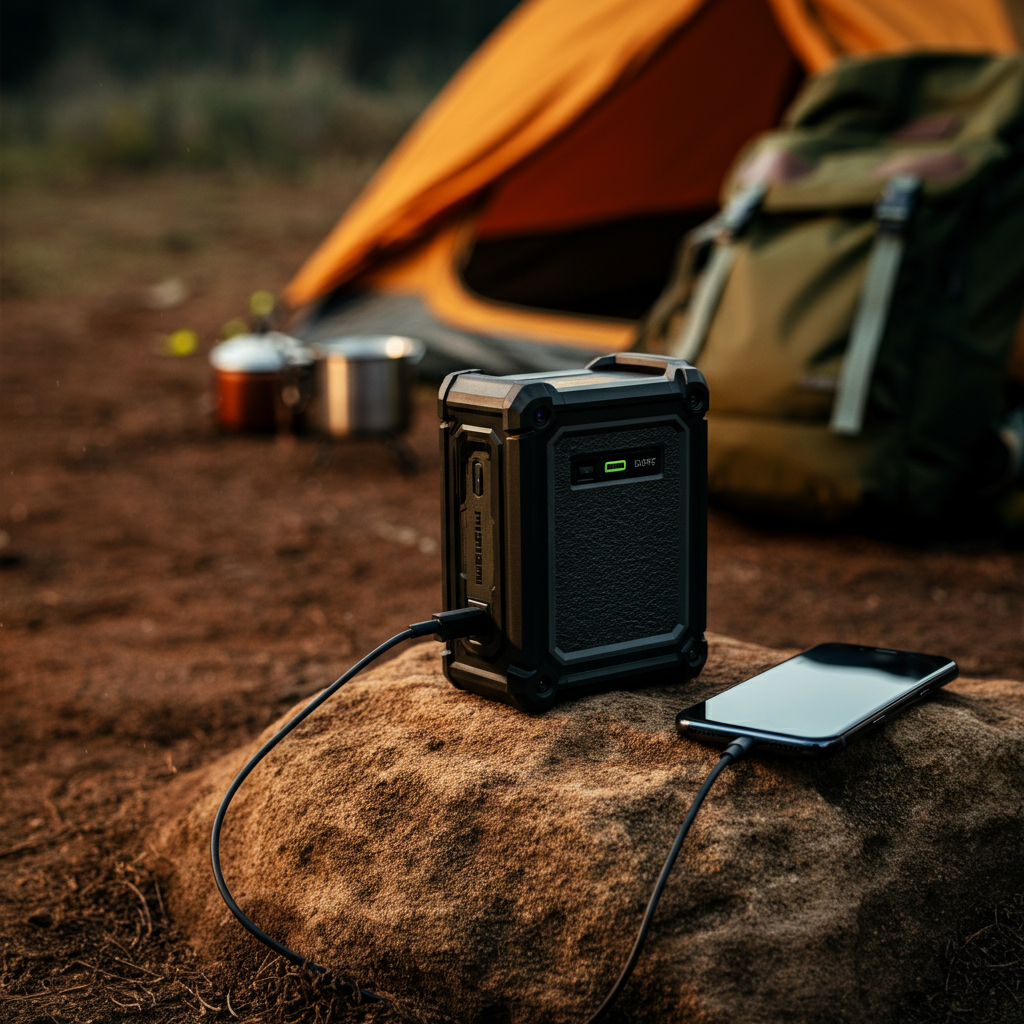
For outdoor adventurers, this one’s important! Whether you’re braving freezing temperatures or trekking through sweltering heat, extreme conditions can wreak havoc on your power bank’s lifespan. Heat accelerates battery degradation, while extreme cold can reduce performance temporarily or cause permanent damage.
Practical Example:
If you’re hiking, avoid leaving your power bank exposed to direct sunlight for long periods. Similarly, keep it insulated during cold-weather trips.
Ideal Operating Temperature
Most power banks function best between 10°C (50°F) and 30°C (86°F).
4. Use the Right Charging Cable
Not all cables are created equal, and using the wrong one can compromise both your power bank and the devices you’re charging. Inferior quality cables often lead to inefficient charging or even damage the battery.
Bonus Tip
If your power bank supports fast charging, use cables certified for fast charging to maximize efficiency.
5. Store It Properly
When not in use, proper storage is critical to preserving your power bank’s health. Leaving it unused for extended periods with a depleted charge is a common mistake.
Storage Guidelines:
For Adventurers:
If you’re traveling, consider investing in a protective case to shield your power bank from wear and tear.
6. Clean and Check Regularly
A power bank’s ports can accumulate dust and debris, especially during outdoor adventures. Over time, this can hinder its performance or lead to connectivity issues.
Maintenance Routine:
| 1. Use compressed air to clean charging ports regularly. |
| 2. Gently wipe the surface with a soft, lint-free cloth. |
| 3. Inspect for damage like fraying cables or swollen batteries. |
Warning Sign
If you notice your power bank heating up excessively or bulging, discontinue use immediately and replace it to prevent safety hazards.
7. Prioritize High-Quality Power Banks
Lastly, longevity starts with the right product. Investing in a high-quality power bank can make all the difference in terms of performance and durability. Look for trusted brands and prioritize features like:

Leave a Reply