

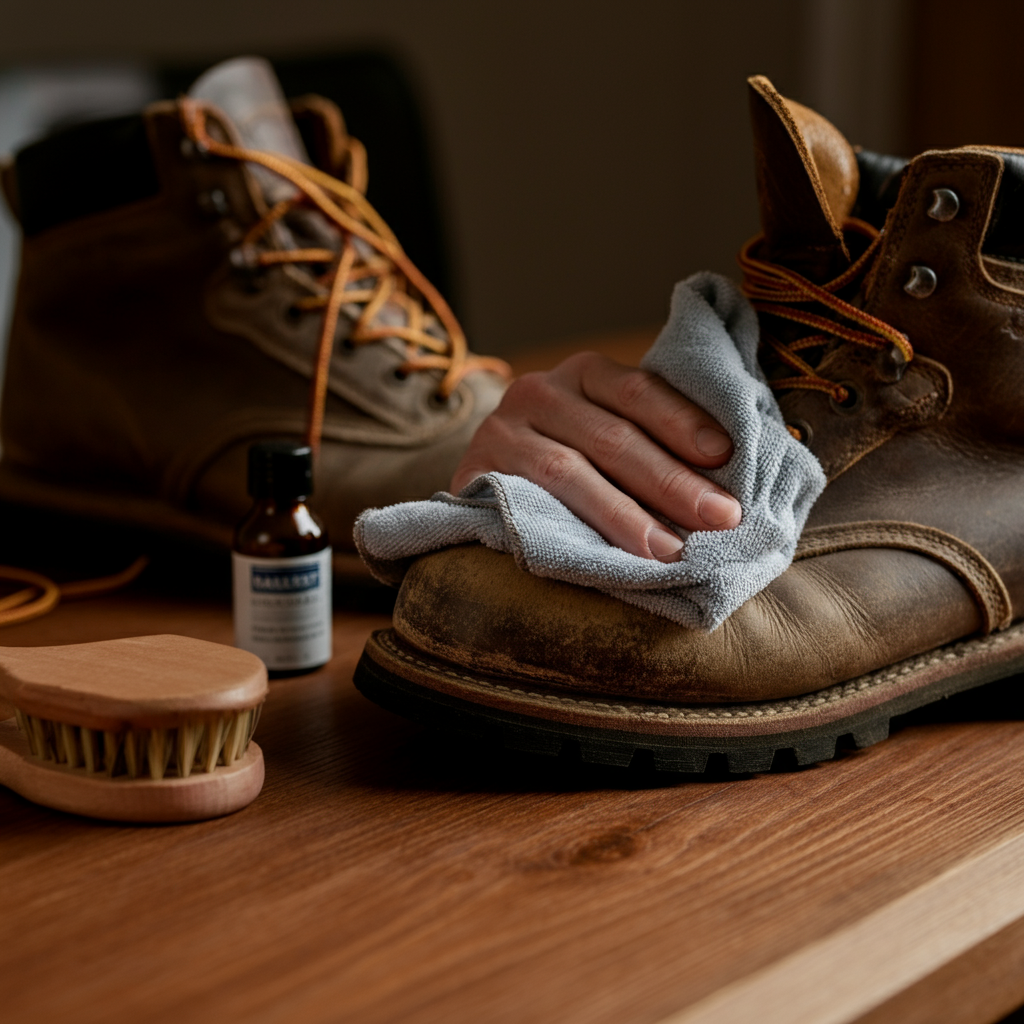
Breaking in a new pair of leather work boots can feel like a daunting task. At first, they might seem too stiff, uncomfortable, or even painful. This isn’t unusual, as sturdy safety footwear is designed to protect your feet. Fortunately, there are easy methods to soften the leather and make your boots more comfortable. Here’s a step-by-step guide to help you enjoy well-fitting, broken-in boots in no time.
What You’ll Need
Steps To Break In Your New Boots
Step 1. Find the Perfect Fit
Before anything else, it’s important to make sure your boots fit properly from the start. Ill-fitting boots can’t be “fixed” during the break-in process. When trying on work boots:
- Ensure your toes have about one inch of room at the front.
- Check that your heels stay secure without lifting excessively.
- Make sure your feet feel supported without feeling pressured from the sides.
If you’re shopping in-store, try boots on at the end of the day when your feet are naturally a little swollen, simulating the fit during extended wear. Wearing your preferred work socks during the fitting can also help ensure accuracy.
Step 2. Wear Them at Home
Begin the break-in process by wearing your new boots around the house for 15–20 minutes daily. Gradually increase the time daily until your feet start getting accustomed to them. This controlled wear allows the leather to start softening while minimizing discomfort.
Step 3. Take Them for Short Walks
Once your boots feel more forgiving, wear them outside on short walks. Unlike indoor surfaces, uneven terrain will flex and mold the leather to your foot’s movement. However, avoid long walks early, as new boots are not yet comfortable for prolonged wear.
Step 4. Pair with Thick Socks
Wearing thick, cushiony socks adds an extra layer of comfort and prevents your heels from slipping. Socks made from breathable, moisture-wicking materials like merino wool or a good synthetic blend are ideal for heavy-duty boots. If your boots feel a bit tight, choose thick socks carefully to avoid added discomfort.
Step 5. Use Leather Conditioner
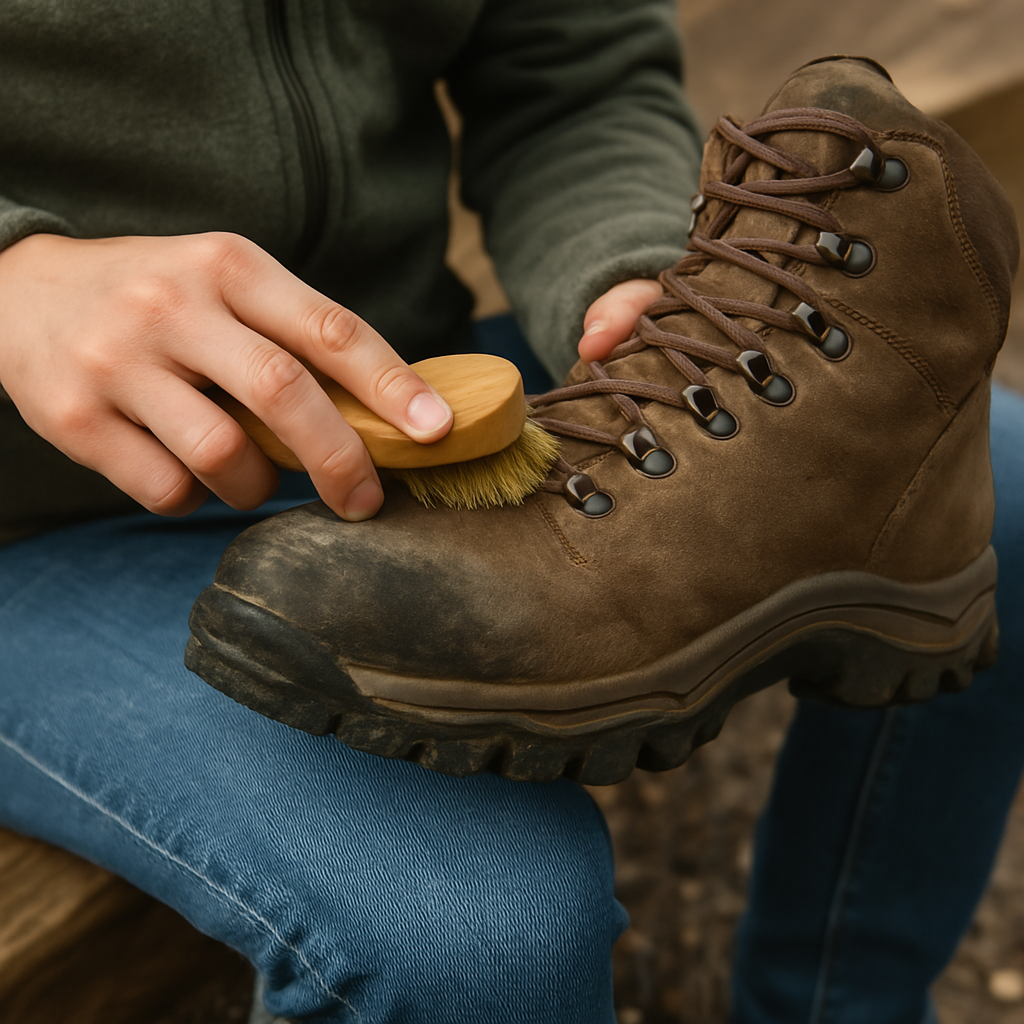
Leather conditioners help soften the boot material, making it easier to break in. Apply a small amount of conditioner to stiff areas like the toe box, then gently massage the leather to help it relax. Keep the boots in a well-ventilated area to air dry after treatment. This process also prevents cracks, an essential step to prolonging the life of your boots.
Step 6. Flex and Bend the Boots
New boots can be stiff not just in their leather upper but also in their rubber outsoles. Gently bending the boots back and forth can loosen rugged areas and make the shoes more flexible. Focus on bending the sole at the ball of the foot to make walking and climbing stairs more comfortable.
Step 7. Try Shoe Stretchers
If certain areas of your boots remain too tight, shoe stretchers are an excellent tool to expand them. These devices adjust the height and width of your shoes gradually. Insert the shoe stretcher into your boots and turn the adjustable knob to apply pressure in specific areas. Leave them in overnight to see noticeable results the next day.
Step 8. Stuff the Boots
If you don’t own shoe stretchers, you can achieve a similar effect by stuffing your boots tightly with socks or newspapers. This method helps stretch the leather. For the best results, condition the leather lightly before stuffing and leave the materials inside for at least 12 to 24 hours.
Step 9. Repeat as Needed
Breaking in work boots is not a one-day process. Be patient and repeat these steps until your boots fit like a second skin. If blisters develop along the way, apply band-aids to prevent further chafing and provide extra cushioning during wear.

Why Breaking In Boots Is Worth It
Once broken in, leather work boots will offer a customized fit that ensures your comfort during long workdays. You’ll avoid common foot issues like blisters, chafing, and ankle pain. Plus, the initial effort extends the life of your boots by reducing stress on the material. With the proper steps, you’ll have work boots that provide protection and comfort.

Leave a Reply